
Over 30 killed, hundreds arrested in 2026 Uganda elections- Report says
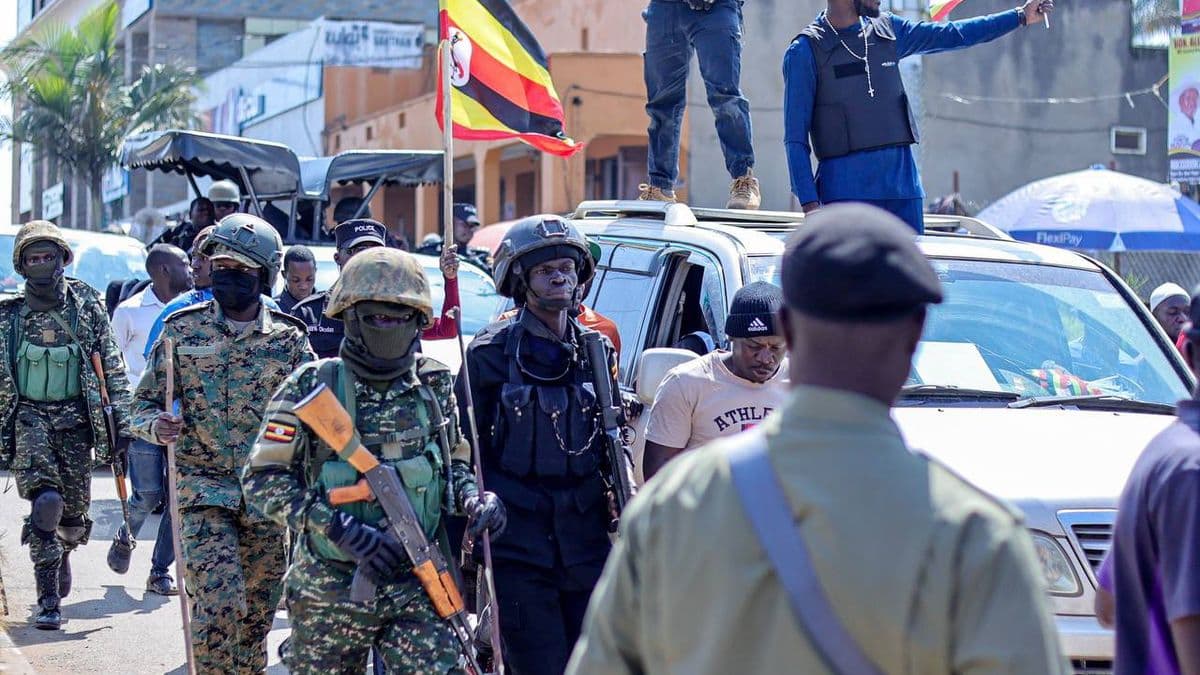
More than 30 Ugandans were killed before, during, and after the January 15, 2026, general elections, according to a new report released by Agora Centre for Research.
The report, titled “The 2026 Uganda General Elections,” documents cases of alleged extrajudicial killings, arbitrary arrests, abductions, and violence, raising fresh concerns about the conduct of the electoral process despite earlier claims that the elections were largely peaceful.
The report documents at least nine cases of extrajudicial killings in the months leading up to the elections. The United Nations Special Rapporteur on Extrajudicial, Summary or Arbitrary Executions defines extrajudicial killings as “the deliberate killing of individuals outside of any legal framework.”
Among those listed as killed are Fred Ssembuusi, Ruben Ngurusi, Meshach Okello, Leon Joshua Otim, a 16-year-old student, Edward Mukwaaya, Nabende Moses, Saidi Eteru, Denis Sibira, Aaron Mukisa, Furugensio Mutagubya, Sarah Nagayi, Ibrahim Sserubiri, Robert Sseninde, Nampereza Milly, Aisha Nabukenya, Miro Shafiq, Nsamu Nuru Abdul, Ruth Nakanjako, and Ali Ramsey, among others. The report notes that additional cases may still be unverified.
According to the findings, these killings occurred in the months leading up to polling day as well as during and after the elections, pointing to a pattern of violence that escalated throughout the electoral period.
Beyond the killings, the report documents at least 374 cases of arbitrary arrests across the country. Many of those detained were linked to the National Unity Platform, and were often charged with minor offences such as unlawful assembly, obstruction, and public nuisance.
The report indicates that some arrests were carried out without sufficient evidence or due process, with bystanders, boda boda riders, and passers-by among those affected. Incidents of abductions, non-fatal shootings, and alleged police brutality are also highlighted, contributing to what the report describes as a tense and, at times, violent electoral environment.
Ugandans went to the polls for the seventh time under the 1995 Constitution, with early narratives portraying the election as relatively calm. However, the report suggests that a broader view of events before and after voting day presents a different picture.
Agora Centre for Research, founded in 2023 and led by Agather Atuhaire, compiled the findings using field monitoring, interviews, legal case documentation, and desk research. The organisation also worked with election monitors across the country who tracked incidents throughout the campaign period, polling day, and the aftermath. These monitors recorded cases of intimidation, alleged vote rigging, bribery, and restrictions on civic actors. Videos circulated on social media during and after the elections appeared to show ballot stuffing, interference by security personnel, and disruptions at polling stations.
The report further raises concerns about election outcomes in some areas, where disputes emerged as the declared winners. In certain cases, voters argued that the announced results did not match official declaration forms, while others pointed to instances in which candidates ran unopposed under contested circumstances.
Restrictions on civic space were also noted, including arrests of civil society actors and challenges faced by election observers. The report additionally highlights barriers faced by persons with disabilities during the voting process, particularly in accessing information and support. An internet shutdown, which had been anticipated in light of previous elections, is also cited as part of the broader environment in which the elections took place.
In its recommendations, Agora calls for limits on the role of the military in electoral processes, emphasising that arrests should remain the mandate of the police. It also urges institutions such as the Electoral Commission and regulatory bodies to operate independently and in line with the law.
The organisation further calls on the judiciary to ensure the timely and impartial handling of election-related cases and recommends that election observation be treated as an ongoing process rather than a one-time event.
The findings add to the growing debate about the 2026 elections, particularly around accountability, the role of state institutions, and the protection of citizens’ rights during Uganda’s electoral processes.