



Why is government imposing 30% tax on mivumba?
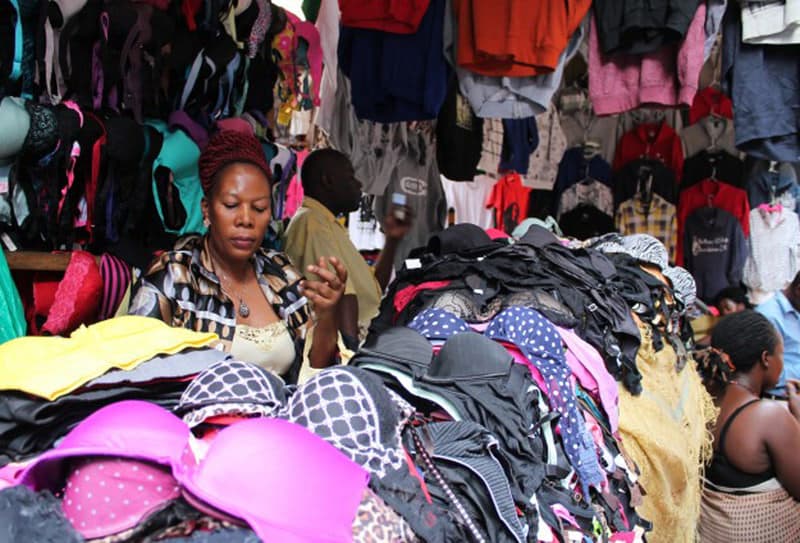
Uganda’s decision to impose a 30 percent environmental levy on imported second-hand clothes, commonly known as mivumba, has emerged as one of the most debated measures in the newly approved tax amendments for the 2026/27 financial year. While government frames the move as a strategic push to grow local industry and raise revenue, critics argue it risks hurting the very consumers it seeks to protect.
The tax, introduced under the External Trade (Amendment) Bill, 2026, is part of a broader policy direction aligned with the East African Community (EAC) goal of phasing out second-hand clothing imports. At the core of this approach is the “Buy Uganda, Build Uganda” (BUBU) strategy, which aims to strengthen domestic production and reduce reliance on imports.
Government officials say the levy is intended to create space for Uganda’s textile and garment industry to grow. By making imported second-hand clothes more expensive, policymakers hope to shift consumer demand toward locally produced alternatives. In theory, this could stimulate investment in manufacturing, create jobs, and improve value addition within the country.
The policy also has a revenue dimension. With growing pressure to finance public services and development programmes, government is seeking new sources of income. Taxing a widely consumed product such as second-hand clothing provides a relatively easy way to broaden the tax base.
However, the measure exposes a difficult policy trade-off.
Second-hand clothes dominate Uganda’s clothing market largely because they are affordable. For many low-income households, mivumba is not just a preference but a necessity, offering access to quality garments at prices far below those of locally made or imported new clothes. Critics in Parliament described the tax as “punitive,” warning that it could disproportionately affect vulnerable groups who rely on these markets for their daily needs.
There are also concerns about whether the domestic textile industry is ready to absorb the shift in demand. While Uganda has made efforts to revive its textile sector, challenges such as high production costs, limited industrial capacity, and competition from cheaper imports persist. Without addressing these structural issues, analysts argue, increasing the cost of second-hand clothes may not automatically translate into a thriving local industry.
Instead, the immediate effect could be higher clothing prices across the board, squeezing household incomes and potentially encouraging informal trade or smuggling as consumers seek cheaper alternatives.
Still, government appears to be taking a long-term view. The tax fits within a wider package of reforms aimed at boosting industrialisation, supporting local producers, and reducing dependence on imports. Similar measures, such as higher duties on imported goods and incentives for local manufacturing, suggest a deliberate shift toward building domestic capacity.
The question, however, is whether this transition can be managed without placing undue strain on consumers.
As Uganda moves to implement the new tax regime, the success of the 30 percent levy will depend on more than policy intent. It will require parallel investments in local textile production, improved access to affordable alternatives, and careful monitoring of market effects.