
Parliament rejects tax on kyeyo earnings
Parliament has rejected a government proposal to tax money earned and sent home by Ugandans working abroad, commonly known as “kyeyo” earnings, in a decision, many lawmakers said protects migrant workers who support families through remittances.
The House also threw out plans to tax profits made from the sale of non-business assets such as land, jewellery, televisions and other personal property, arguing that many people dispose of such items because of emergencies or financial hardship.
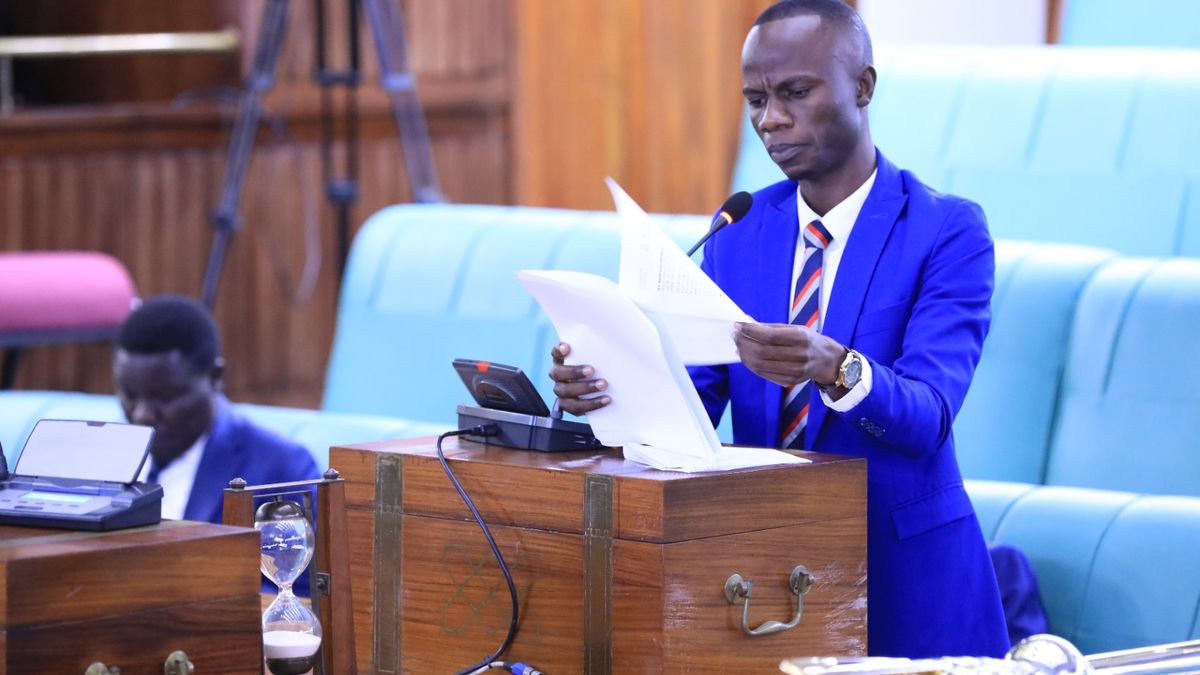
During debate on the Income Tax (Amendment) Bill, 2026, Karim Masaba (Ind., Industrial Division, Mbale City) said taxing Ugandans abroad would unfairly target workers who often earn modest incomes under harsh conditions, particularly in the Middle East, while still sending money home to sustain relatives. He also criticised the proposed tax on personal assets, asking, “If I sell my TV at home and I earn a profit, you want to tax that?”
Chairperson of the Finance Committee, Amos Kankunda, told Parliament that non-business assets are usually sold for personal reasons, including payment of medical bills, and therefore should not form part of the tax base. He said the committee aimed to balance revenue mobilisation with economic growth and taxpayer protection.
State Minister for Finance Henry Musasizi defended the proposal, saying it was intended to target disguised business transactions. However, he later acknowledged the difficulty of distinguishing personal sales from commercial dealings, after which Parliament dropped the clause.
The decision is likely to be welcomed by thousands of Ugandans in the diaspora whose remittances remain a lifeline for many households, helping cover rent, school fees, healthcare and daily needs. It also reflects concern among MPs over introducing taxes seen as punitive during a period of economic strain and rising living costs.
Parliament nevertheless passed several other reforms under the bill. Employees earning Shs335,000 per month were exempted from Pay As You Earn (PAYE), while the minimum investment threshold for Ugandan hotel developers was reduced from US$5 million to US$1.5 million in a move aimed at boosting tourism investment.
Lawmakers also unanimously approved a six-year extension of the tax exemption for the Bujagali Hydropower Project until 2032, warning that removing it could lead to higher electricity tariffs. Nandala Mafabi said the matter required further explanation, arguing the charges were being borne by ordinary Ugandans.
Parliament also passed the Lotteries and Gaming (Amendment) Bill, 2026, which harmonises tax rates across the gaming sector as the government continues efforts to raise revenue for the 2026/27 national budget.