

Debt burden swallows 40% of Shs84 trillion national budget, squeezing service delivery
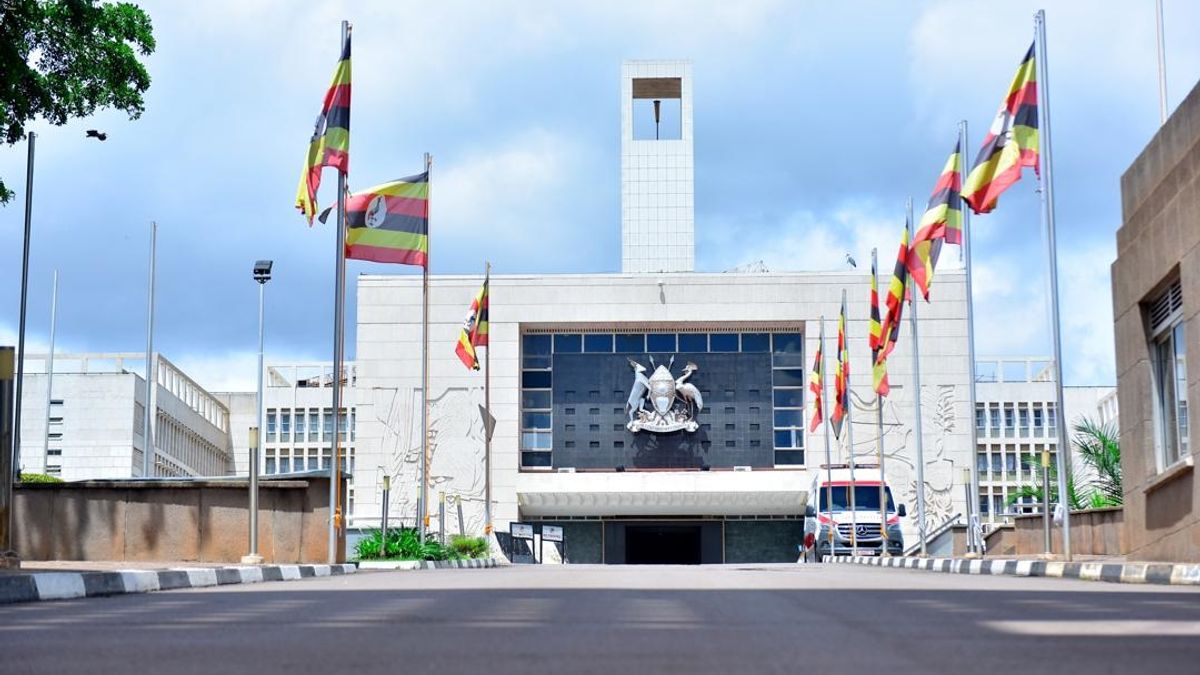
Parliament’s approval of the Shs84.3 trillion national budget for the 2026/2027 financial year has laid bare a growing fiscal reality: Uganda is increasingly spending more on its past borrowing than on delivering services to its citizens.
At the heart of the approved budget is a striking figure, Shs33.4 trillion earmarked for debt servicing, nearly 40 per cent of total expenditure. The allocation makes debt repayment the single largest spending item, overshadowing investments in health, education, and infrastructure.
The budget, passed during a plenary sitting chaired by Speaker Anita Among, reflects mounting pressure on public finances as statutory obligations continue to absorb a significant share of government resources.
Out of the total budget, Shs37.23 trillion is locked into statutory spending, including debt servicing, wages, and pensions, leaving only Shs47.16 trillion available for discretionary expenditure. This means nearly half of the national budget is effectively predetermined before policymakers can allocate funds to development priorities.
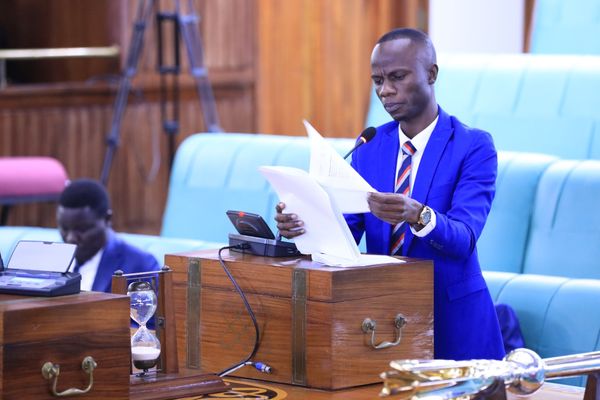
Presenting the Budget Committee report, Deputy Chairperson Remigio Achia warned that the rising cost of debt is crowding out critical public spending.
“The reality is that a significant share of this budget is absorbed before it reaches sectors that directly impact citizens,” Achia told Parliament.
Interest payments alone are projected at Shs12.4 trillion, driven largely by domestic borrowing, while principal repayments push the total debt burden even higher. Analysts say this trend signals tightening fiscal space and raises concerns about long-term sustainability.
The financing structure of the budget further underscores the strain. Government expects to raise Shs44.18 trillion from domestic revenue, but will still rely heavily on borrowing, including Shs11.97 trillion in domestic debt and Shs11.27 trillion in external project financing. An additional Shs13.97 trillion will come from refinancing existing debt.
Finance State Minister Henry Musasizi defended the approach, saying borrowing remains necessary to bridge funding gaps and sustain development.
Despite the constraints, the government has maintained allocations to key growth sectors. Agro-industrialisation will receive Shs2.2 trillion, while infrastructure development has been allocated Shs10.8 trillion. Human capital development takes the largest sectoral share at Shs13.5 trillion, including funding for a phased salary enhancement for teachers.
However, critics argue that these allocations may not translate into meaningful impact due to the limited fiscal space.
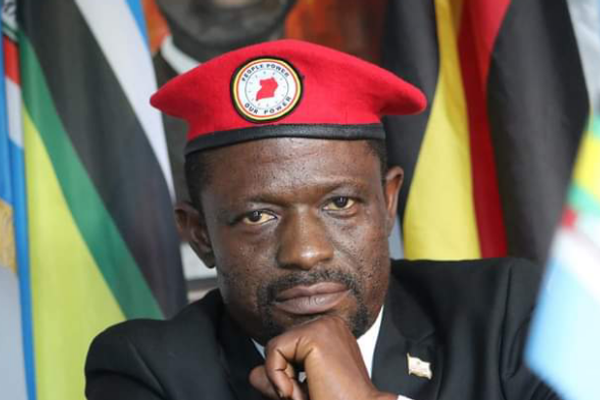
In a minority report, Kira Municipality MP Ibrahim Ssemujju Nganda said the budget reflects deeper structural imbalances, noting that just four expenditure items—debt servicing, wages, administrative costs, and classified spending—consume nearly 70 per cent of total resources.
“This leaves very little for actual service delivery,” Ssemujju said, warning that the situation could worsen if borrowing continues unchecked.
The approval process itself also drew criticism. Ssemujju accused the government of introducing last-minute changes that increased the budget by nearly Shs1 trillion without clear accountability measures, raising concerns about transparency and adherence to public finance laws.
Beyond the numbers, debate in Parliament highlighted growing unease about whether the budget addresses citizens’ immediate needs. Legislators pointed to gaps in funding for healthcare, including calls for more support for sickle cell treatment, as well as concerns over stalled public projects.
Leader of the Opposition Joel Ssenyonyi questioned continued spending on the International Specialised Hospital in Lubowa, where nearly Shs1 trillion has already been invested with limited visible progress.
As Parliament concluded debate, Speaker Among cautioned against unsustainable borrowing, urging government to prioritise proper planning before taking on new debt.
Still, government officials maintain that the current strategy is necessary. ICT Minister Chris Baryomunsi told MPs that borrowing is a global practice and that Uganda remains committed to meeting its obligations.
The approved budget ultimately reflects a delicate balancing act, between financing development ambitions and managing an increasingly heavy debt load. But with such a large share of resources tied up in repayments and fixed costs, questions remain about how much of the spending will translate into tangible improvements in the lives of ordinary Ugandans.